
Grid Innovations Without Guardrails: Why Utility AI Demands Governance
AI is transforming grid operations—forecasting renewables, managing EVs, and detecting wildfires—but without governance, risks of bias, cyberattacks, and black-box failures grow. The missing link is systemic oversight to ensure transparency, safety, and accountability.


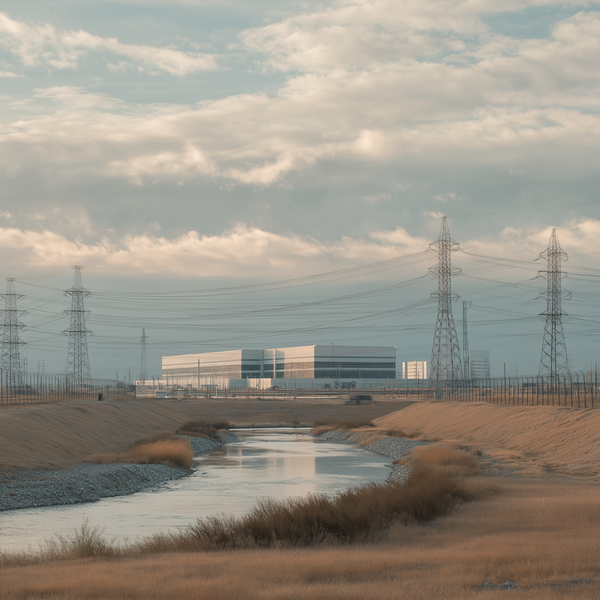

The Age of Electricity Meets the Age of Constraint: IEA’s Energy Technology Perspectives 2026 Describes a System in Transition
Energy is shifting from a single constraint (cost) to a multi-constrained system—power, materials, supply chains, and policy. Clean tech is scaling on economics, but fragility is rising. The transition now hinges not just on deployment, but on aligning constraints across the system.

Brandon Owens
The Shadow Grid Doctrine: The United States Is Building a Second Energy System for Artificial Intelligence
The White House AI framework accelerates infrastructure at unprecedented speed—but exposes 10 systemic risks, from rising grid fragmentation and cost shifting to reliability, market and governance gaps, as a “Shadow Grid” emerges outside traditional oversight.
Brandon Owens
Energy Innovation at the Edge of Power: A Review of the IEA’s The State of Energy Innovation 2026
The IEA’s 2026 report shows energy innovation is now central to competitiveness and security. Public investment drives long-term returns, resilient grids are essential, and institutional capacity—not resources alone—will define leadership in the twenty-first century energy transition.
Brandon Owens