
America’s AI Action Plan: An Energy and Infrastructure Appraisal
The America’s AI Action Plan recognizes AI’s massive energy demands and offers tools for permitting, workforce, and diplomacy. Yet it remains a political document, sidestepping climate goals and privileging fossil reliability over renewables—leaving decarbonization unfinished.
The Age of Electricity Meets the Age of Constraint: IEA’s Energy Technology Perspectives 2026 Describes a System in Transition
Energy is shifting from a single constraint (cost) to a multi-constrained system—power, materials, supply chains, and policy. Clean tech is scaling on economics, but fragility is rising. The transition now hinges not just on deployment, but on aligning constraints across the system.

Brandon Owens
The Shadow Grid Doctrine: The United States Is Building a Second Energy System for Artificial Intelligence
The White House AI framework accelerates infrastructure at unprecedented speed—but exposes 10 systemic risks, from rising grid fragmentation and cost shifting to reliability, market and governance gaps, as a “Shadow Grid” emerges outside traditional oversight.
Brandon Owens
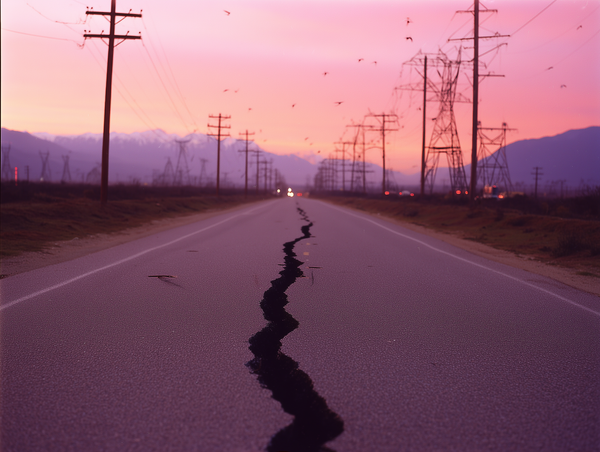
Shadow Grid: The Grid Is Splitting in Two
Data center developers are building a parallel “shadow grid” to bypass delays and costs. With 47 GW emerging—rivaling grid builds—this system is largely invisible to planners. FERC’s response may unintentionally push more operators fully off-grid, deepening coordination and reliability risks.

Michael Leifman
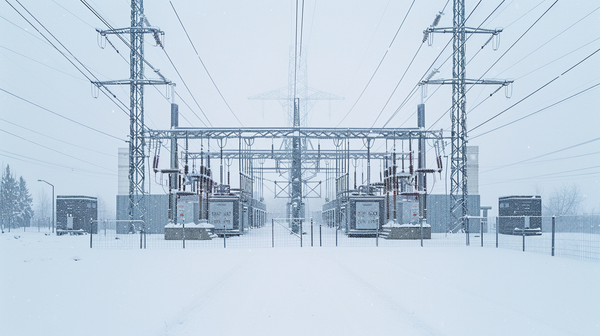
From Automation to Control: Architecting the Software-Defined Grid
The grid is shifting from hardware-based control to software-defined systems. AI, electrification, and distributed energy are driving this change, introducing new risks and requiring integrated, adaptive control across sensing, communication, and computation layers.
Brandon Owens
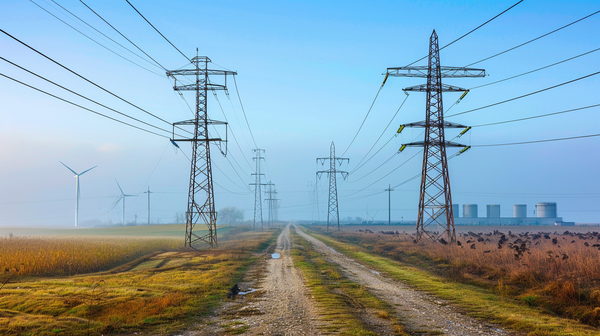
The Shadow Grid: AI’s Hidden Energy Network and the Crisis of Infrastructure Visibility
AI data centers are driving a surge in electricity demand and spawning a “shadow grid” of private power plants. Built outside traditional planning, this hidden infrastructure erodes visibility over the energy system and creates new challenges for governance and reliability.
Brandon Owens