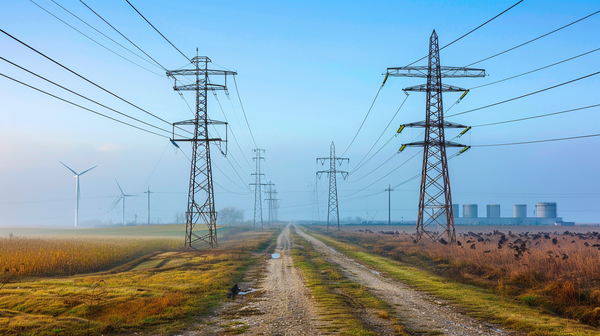
AI-driven data center growth is colliding with a global shortage of transformers and grid equipment, causing years-long delays and soaring costs. The digital boom now depends on the slowest link in the chain: the industrial capacity to deliver power hardware.
Brandon Owens
Real hyperscaler decarbonization depends on data center flexibility—shifting, routing, and balancing workloads in real time to match cleaner grid power and reduce reliance on fossil generation.
Brandon Owens
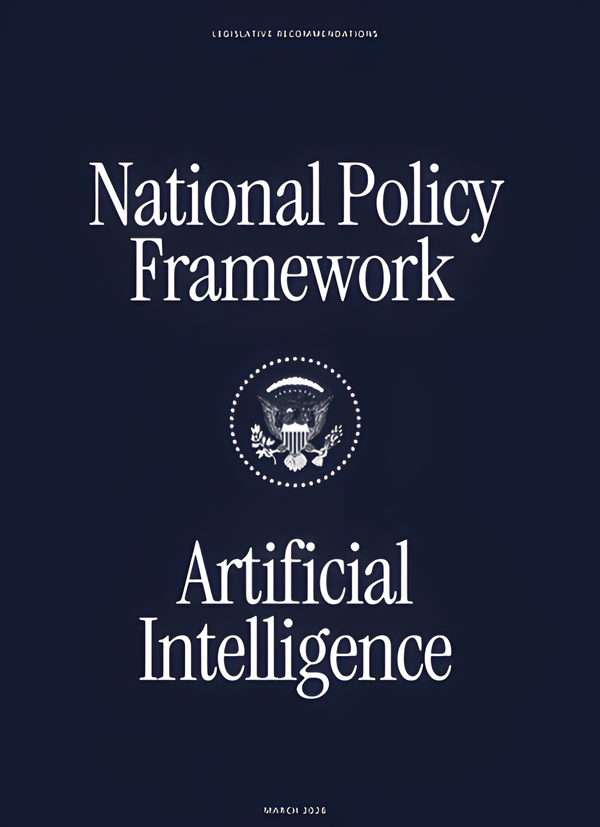
AI is reshaping energy: grids once built in decades now leapfrog with models, agents, and twins. Speed brings opportunity but erodes moats—durability now lies in adaptability, governance, and momentum. The grid is becoming a cognitive system, raising urgent questions of ownership and control.
Brandon Owens
Global energy investment hits $3.3 trillion in 2025, with two-thirds ($2.2 trillion) now flowing to clean energy. The IEA warns that AI and data centers are reshaping demand, potentially consuming 1,000 TWh by 2030 and driving a new “Age of Electricity and Intelligence.”
Brandon Owens
AI in utilities isn’t about replacing people—it’s about process, trust, and governance. The Utility-AI Playbook outlines seven steps to make intelligence utility-grade: start small, structure data, fine-tune, phase in, measure, govern, and evolve. Reliability remains human-led.
Shailesh Jain
By 2030, renewables will supply 43% of global power—over 4,600 GW, twice 2022’s total. Yet nearly one point of today’s demand growth stems from “AI + AC.” Data centers, once grid burdens, now accelerate renewables—adding 110 TWh, or ~54 GW, of clean capacity by 2030.
Brandon Owens
OpenAI’s 6-GW deal with AMD marks AI’s growing dependence on real power. It’s a milestone linking silicon to substations, forcing planners and policymakers to treat compute demand as part of the energy system, not apart from it.
Brandon Owens