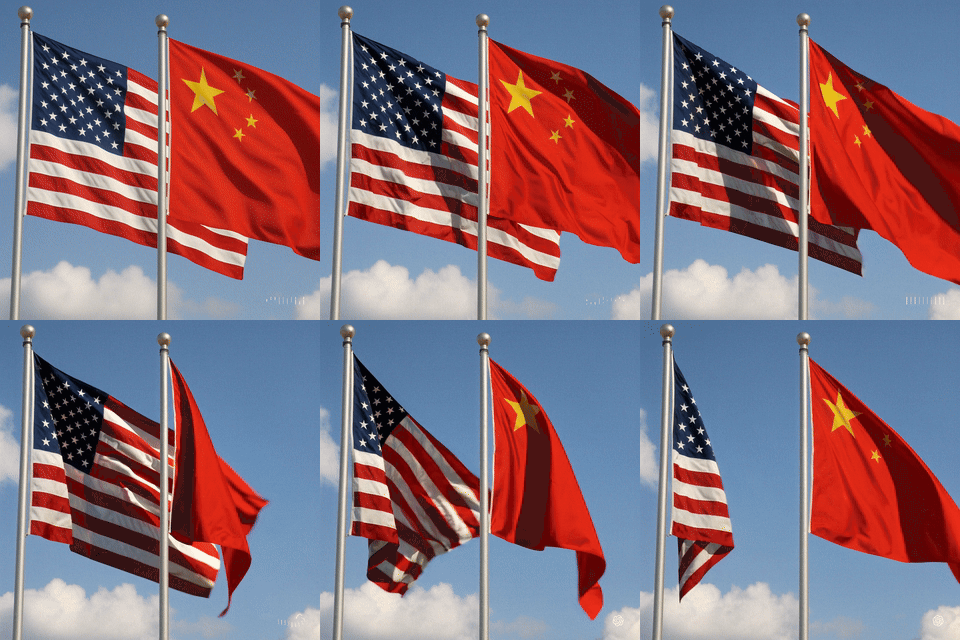
How Electricity Became the Hidden Frontline in the U.S.–China AI Rivalry
The AI conversation has long centered on algorithms, data, and hardware—but beneath every inference lies a more vital dimension: electricity. The key question isn’t just whose code is smartest—but whose power stays on.
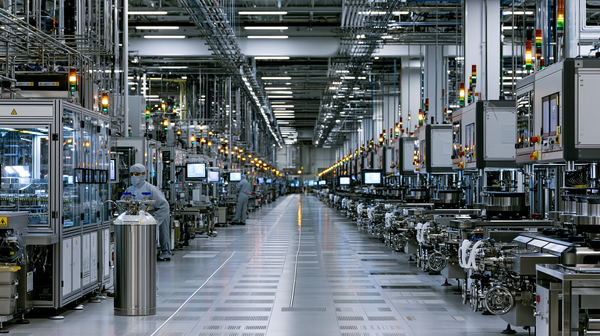
China’s Tungsten Controls Expose a Semiconductor Chokepoint
WF6, a critical semiconductor gas, remains available despite reports of Japanese production exits. Yet China-linked tungsten feedstock controls, price spikes, concentrated supply, and 18–24-month qualification cycles expose a deeper bottleneck AI-driven chip demand cannot quickly solve.

Morgan Bazilian

The New Geography of AI Infrastructure
AI is making computation physical again: global AI capacity will follow not just chips and fiber, but power, water, cooling, permits, grid reliability, and the emerging Shadow Grid that turns energy infrastructure into the new map of AI advantage.

Brandon Owens


AI in Grid Planning: The Burden of Proof
AI can accelerate planning work, but speed is not an evidentiary standard. The more an AI output can shape an infrastructure decision, the more utilities should require traceability, independent validation, reproducibility, controlled change, and accountable engineering judgment.

Tianqiao Zhao

Google’s 100-Megawatt Capacity Deal Signals a New Phase in AI Power Procurement
The strategic change is not that a virtual power plant can provide demand response. It is that an AI company can now procure accredited capacity through a distributed portfolio, turning flexibility from a utility program into a corporate infrastructure contract.
Brandon Owens

The Next Bottleneck Has a Serial Number: Washington Has Added Equipment Provenance to the AI Power Race
Executive Order 14420 addresses a real grid-security threat but creates a new constraint on AI infrastructure. Its success depends on distinguishing cyber-control risk from supply-continuity risk while securing equipment supply chains without deepening shortages.
Brandon Owens