How AI Workload Flexibility Is Shaping the Grid’s Future
AI-driven data centers are reshaping the grid, turning from static loads into flexible assets that support reliability and decarbonization. With Google leading the way, this shift demands new policies, pricing models, and equity safeguards to align digital growth with grid resilience.
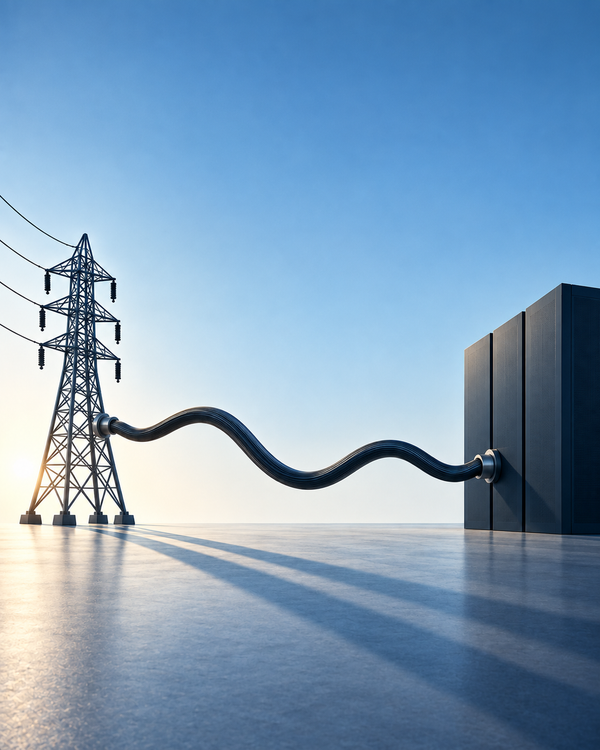


Google’s 100-Megawatt Capacity Deal Signals a New Phase in AI Power Procurement
The strategic change is not that a virtual power plant can provide demand response. It is that an AI company can now procure accredited capacity through a distributed portfolio, turning flexibility from a utility program into a corporate infrastructure contract.

Brandon Owens


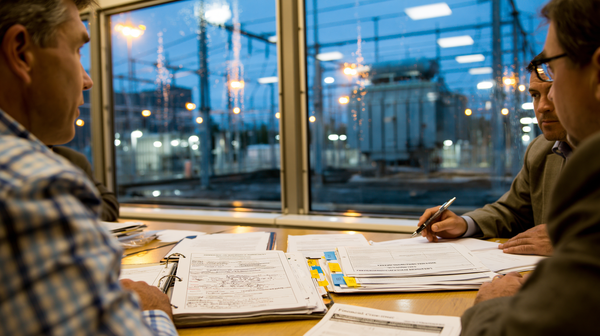
AI in Grid Planning: The Burden of Proof
AI can accelerate planning work, but speed is not an evidentiary standard. The more an AI output can shape an infrastructure decision, the more utilities should require traceability, independent validation, reproducibility, controlled change, and accountable engineering judgment.

Tianqiao Zhao