
Policy & Regulation
Examines how AI-era load growth collides with the public rulebook for electricity. These articles focus on federal and state regulation, interconnection, reliability jurisdiction, rate design, cost allocation, consumer protection, planning obligations, and the question of when private infrastructure becomes a public responsibility.
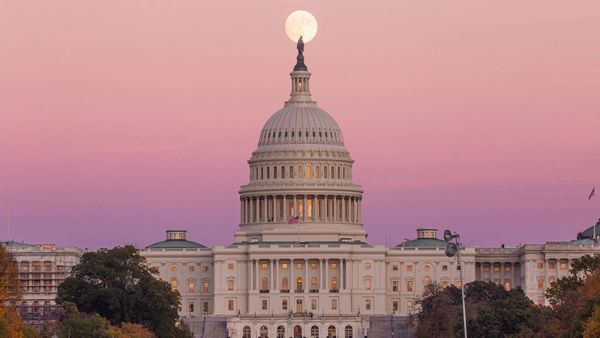
How Artificial Intelligence Data Centers Are Reshaping the Regulatory Architecture of U.S. Electricity
AI data centers are stressing U.S. power regulation. The article argues for verified large-load governance: milestone-based forecasting, cost-causation tariffs, flexible service classes, operational visibility, and coordinated federal-state oversight.

Morgan Bazilian
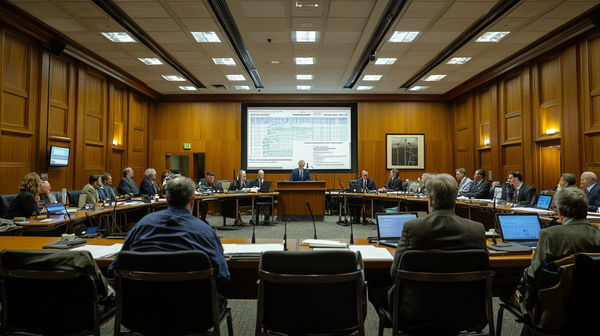
The Utility-AI Leadership Edge Part III: How CFOs Can Fund the AI-Driven Grid Buildout Without Leaving Customers Behind
Utility CFOs must fund unprecedented grid growth from AI, data centers, electrification, and resilience needs while protecting affordability. The winners will use CIAC, large-load tariffs, flexibility, and disciplined cost allocation to build trust and avoid shifting costs to customers.

Hannah Kaplan

FERC Meets the Shadow Grid: Deciding when Private Power becomes a Public Grid Problem
AI data centers are pushing FERC to confront the Shadow Grid, where private power, co-located generation, and hyperscale load blur into public grid obligations, forcing a shift from crowded queues to coordinated infrastructure governance.

Brandon N. Owens

The New Geography of Power: How States Are Shaping the AI Infrastructure Era
States are competing to shape AI as physical infrastructure. Diverging archetypes—from hyperscale clusters to energy-led expansion—are creating a new hierarchy. Regions that align compute, energy, and institutions will lead; others will operate within systems designed elsewhere.
Brandon N. Owens

Shadow Grid: The Grid Is Splitting in Two
Data center developers are building a parallel “shadow grid” to bypass delays and costs. With 47 GW emerging—rivaling grid builds—this system is largely invisible to planners. FERC’s response may unintentionally push more operators fully off-grid, deepening coordination and reliability risks.

Michael Leifman