
Policy & Regulation
Examines how AI-era load growth collides with the public rulebook for electricity. These articles focus on federal and state regulation, interconnection, reliability jurisdiction, rate design, cost allocation, consumer protection, planning obligations, and the question of when private infrastructure becomes a public responsibility.

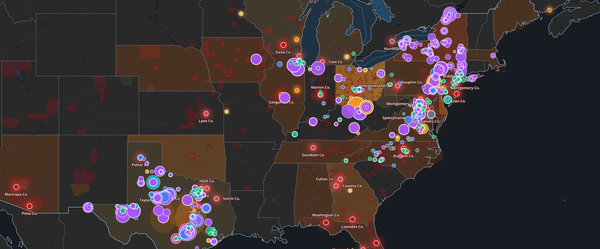
New York and Texas Are Rewriting the Terms of Data Center Growth
New York and Texas are pausing different data center approvals. Texas is auditing projects seeking grid access; New York combines environmental review, grid planning, and community investment guidance to create a stronger foundation for responsible growth.

Brandon N. Owens

The Next Bottleneck Has a Serial Number: Washington Has Added Equipment Provenance to the AI Power Race
Executive Order 14420 addresses a real grid-security threat but creates a new constraint on AI infrastructure. Its success depends on distinguishing cyber-control risk from supply-continuity risk while securing equipment supply chains without deepening shortages.
Brandon N. Owens
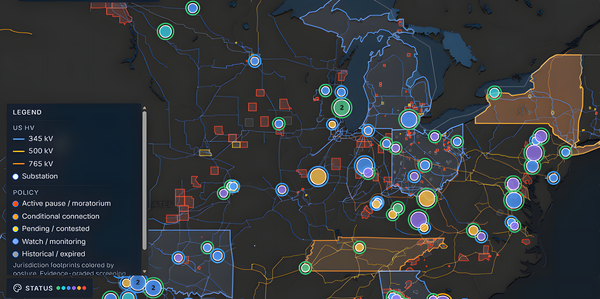
The Moratorium Map: How the AI Boom Is Redrawing the Geography of Power and Permission
A new AIxEnergy dataset tracks 234 policy actions across 230 geographies, revealing how local governments, states and power systems are turning access to land and electricity into a negotiated form of permission.
Brandon N. Owens



The Federal AI Land Rush Is an Execution Test
Washington is opening energy sites and military bases to data center developers. The early record shows that federal site control can remove one bottleneck, but it does not erase the harder sequence of leasing, environmental review, power procurement, interconnection, financing, and construction.

Morgan Bazilian

The Electricity Customer Bill of Rights Part I: A Framework for Infrastructure-Scale Electric Demand
The AI economy needs electricity, but customers should not subsidize its growth. This series proposes an Electricity Customer Bill of Rights to protect affordability, reliability, transparency, communities, and fair cost allocation while enabling responsible infrastructure-scale demand.
Brandon N. Owens